



07 Jun Still Using That Old Toothbrush? Here’s What Your Dentist Wants You to Know
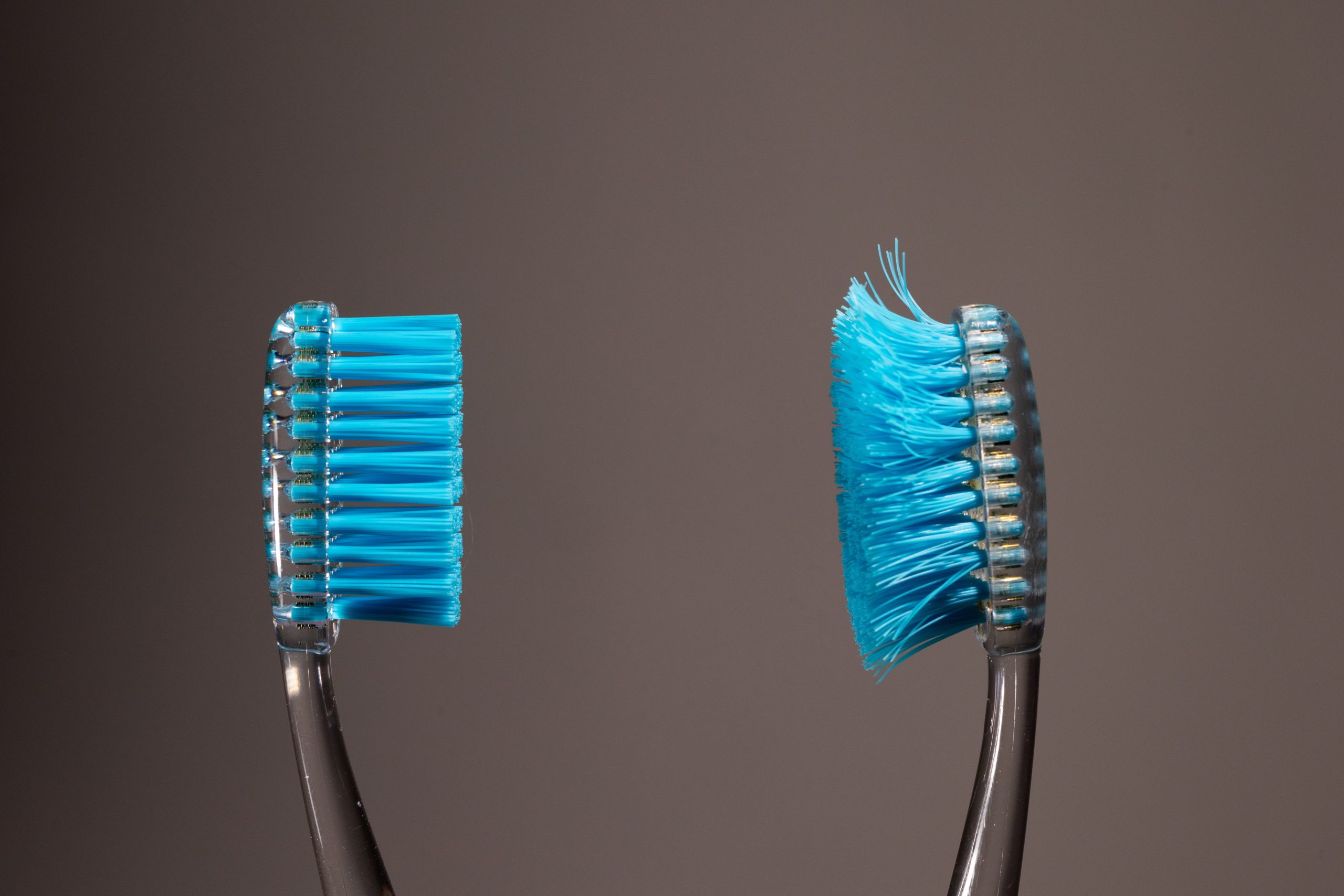
If you can’t remember the last time you swapped out your toothbrush, you’re not alone. It’s one of those small habits that’s easy to overlook, but it makes a significant difference for your oral health. In honor of National Toothbrush Day on June 26, we wanted to share what you should know about replacing your brush and how to choose the right one.
How Often Should You Replace Your Toothbrush?
The American Dental Association is clear about its recommendation to replace your toothbrush every three to four months, but many people aren’t doing it. People often hold onto theirs until the bristles are visibly worn down, which means the brush has already been underperforming for a while. A good rule of thumb is to swap it out at the start of each new season. It’s a simple way to stay on track without having to keep count.
This rule applies to both manual toothbrushes and electric toothbrush heads. The bristles on an electric brush head wear down just as quickly, and the same replacement schedule holds.
Why an Old Toothbrush Is Bad for Your Oral Health
For something you use twice a day, every day, it’s worth understanding what happens when you hold onto a toothbrush too long. Two things are working against you:
- Your brushing becomes less effective. Worn or splayed bristles lose their ability to flex into the spaces between teeth and along the gumline. You can be doing everything else right and still miss plaque if your toothbrush can’t do its job.
- Bacteria accumulates with every use. Toothbrushes pick up bacteria through regular use and exposure to the bathroom environment. Continuing to use an old brush means reintroducing that bacteria to your mouth every time you brush.
Signs You Need to Replace It Sooner
The three-month mark is a guideline, not a guarantee. Several situations may call for an earlier swap:
- Your bristles have splayed or frayed. Visibly bent or worn bristles signal that the brush has already lost its effectiveness, regardless of when you started using it. People who brush with heavier pressure may find they go through toothbrushes faster than the standard timeline.
- You’ve been sick. Viruses and bacteria can survive on toothbrush bristles after an illness, and continuing to use the same brush can slow recovery or lead to reinfection. It’s a small, easy step that makes a real difference.
- Your brush has been damaged. This may seem obvious, but if your brush has been beaten up while traveling or your dog got hold of it, or you notice any other visible damage, it’s probably time to replace it.
How to Choose the Right Toothbrush
Walking down the toothbrush aisle can feel overwhelming, but it doesn’t need to be. Both electric and manual toothbrushes do the job well when used correctly, so don’t get too caught up in that debate. What matters more is getting a few basics right.
- Soft bristles protect your enamel and gums. Medium and hard options might seem more thorough, but they’re more likely to wear down enamel and irritate gum tissue over time. Soft bristles clean just as effectively without the irritation.
- Head size affects how well you can reach your back teeth. A brush head that’s too large won’t maneuver well around your molars, which means those areas get missed. A small to medium head works well for most adults.
- The ADA Seal of Acceptance tells you it’s been tested. Products carrying this seal have been independently evaluated for safety and effectiveness, making it a simple way to know you’re making a solid choice.
Regular Checkups Catch What Your Toothbrush Can’t
Replacing your toothbrush regularly is one of the simplest things you can do for your oral health at home. But brushing well only goes so far. Regular professional cleanings and checkups catch issues you can’t see on your own and keep your smile in great shape long-term.
If you’re due for a visit, the team at Imperial Dental Center is ready to help. Schedule your appointment today.
FAQ
Can I sanitize my toothbrush instead of replacing it?
You can rinse your toothbrush thoroughly after every use, and UV sanitizers can help reduce bacteria on the bristles. But sanitizing can’t restore bristle effectiveness. Once bristles are worn or frayed, no amount of cleaning will help them reach between teeth and along the gumline the way a fresh brush does.
Do kids’ toothbrushes need to be replaced on the same schedule?
The same three-to-four-month guideline applies to kids, and in reality, you may find yourself replacing their brushes even more often. Children tend to chew on bristles and brush with less control than adults, which wears them down faster. It’s worth checking their brush every month or so.
How should I store my toothbrush between uses?
Rinse it well after every use and store it upright so it can air dry completely. Avoid covering it or storing it in a closed container, since trapping moisture creates an environment where bacteria thrive. If you keep multiple toothbrushes in the same holder, make sure the heads aren’t touching each other. And keeping your toothbrush as far from the toilet as possible is always a good idea.

Dr. Dragana Angelova
Imperial Dental Center
“We love to see you smile”